
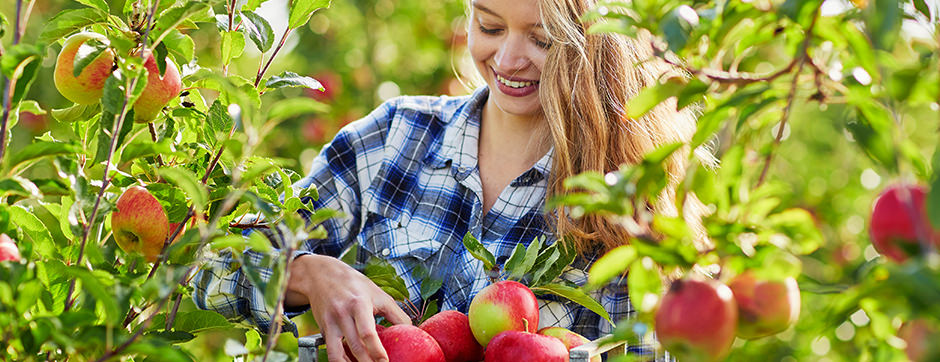
Growing fruit on a patio is no longer a niche pastime reserved for keen horticulturalists with decades of experience. Patio fruit growing sits at the intersection of practicality and pleasure: trees that earn their keep visually while producing apples, pears, plums, or cherries that taste markedly better than shop-bought equivalents. This article looks at patio fruit trees through the lens of professional orchard practice, translating field-scale knowledge into advice suited to pots, paving slabs, and smaller gardens.
Early decisions matter more for patio trees than for those planted in open ground. Space is limited, root growth is controlled, and mistakes are harder to correct later. It is therefore unsurprising that many gardeners now look carefully at the quality and provenance of trees before buying, especially when browsing fruit trees for sale online or in garden centres. Choosing wisely at the outset sets the tone for years of healthy growth and consistent cropping.
One point regularly emphasised by specialist nurseries such as ChrisBowers is that patio fruit trees are not a compromise. With correct rootstocks, careful pruning, and thoughtful aftercare, they can rival garden-planted trees for flavour and reliability. Advice from experienced growers highlights the importance of starting with trees bred and trained specifically for container life, such as those supplied by established UK nurseries focusing on patio fruit trees. This specialist approach reduces the risk of poor vigour, erratic cropping, or premature decline, which are common issues with unsuitable stock.
Tip One: Rootstock Is the Foundation, Not a Footnote
For patio fruit trees, the rootstock is the most important part of the plant, even though it remains hidden below the compost surface. In orchard terms, the rootstock controls size, vigour, anchorage, and the tree’s ability to cope with restricted conditions. In a pot, these factors become critical. British gardeners sometimes focus heavily on the variety, choosing a favourite eating apple or a familiar pear, but overlooking the rootstock can undo that careful selection.
Dwarfing rootstocks such as M27 or M9 for apples are typically used for patio growing. These limit overall height and spread while encouraging earlier fruiting, which suits container cultivation well. However, they also require attentive watering and feeding, as their smaller root systems have limited reserves. Semi-dwarfing stocks, often used in open ground, can become unmanageable in pots and may struggle long term due to restricted root space.
Climate also plays a role. Britain’s variable weather, with cool springs and damp summers, places different stresses on container-grown trees than those experienced in continental climates. Rootstocks chosen specifically for UK conditions tend to cope better with fluctuating moisture levels and cooler soils. Experienced growers consider not only final tree size but also resilience, anchorage in windy gardens, and compatibility with different compost types.
For gardeners planning long-term patio planting, understanding rootstock choice helps explain why two trees of the same variety may behave very differently. A compact, well-balanced tree is not an accident but the result of careful propagation decisions made years before it reaches the customer. This invisible groundwork is what allows patio trees to remain productive without becoming problematic.
Tip Two: Containers Should Be Treated as Permanent Homes
A common misconception is that patio fruit trees can be treated like bedding plants in oversized pots, with casual repotting or frequent movement. In reality, containers function as a tree’s permanent soil environment, and choices made here have lasting consequences. Size, material, drainage, and stability all influence the tree’s performance over many seasons.
For most patio fruit trees, a container of at least 35 to 45 litres is advisable at planting. This allows enough compost volume to buffer against temperature swings and drying out. Heavier materials such as terracotta, wood, or thick plastic provide greater stability, particularly in exposed gardens where wind can rock pots and damage roots. Drainage holes are essential, but excessive free-draining can lead to nutrients washing out too quickly, so the compost mix matters.
In Britain’s climate, water management is often misunderstood. Rainfall is frequent, but containers dry out faster than ground soil, especially during warm, breezy weather. Patio trees require consistent moisture without becoming waterlogged. Elevating pots slightly on feet can improve drainage while preventing the base from sitting in winter wet.
Once planted, trees should not be repeatedly moved unless necessary. Roots gradually colonise the compost, and frequent disturbance interrupts this process. Instead, position containers carefully from the start, considering light levels, shelter, and access for watering. Treating the container as a permanent orchard space rather than a temporary solution leads to stronger growth and better fruit quality over time.
Tip Three: Pruning Is About Balance, Not Control
Pruning patio fruit trees is often approached with either excessive caution or undue aggression. Some gardeners fear cutting too much, while others attempt to keep trees small through constant trimming. Orchard specialists view pruning differently: as a means of balancing growth and fruiting rather than simply restricting size.
For container-grown trees, summer pruning is particularly valuable. Light pruning after flowering or early fruit set helps control vigour without stimulating excessive regrowth. It also improves light penetration, which is crucial for fruit colour and flavour in Britain’s often subdued summers. Winter pruning, if carried out, should be minimal, focusing on removing dead, damaged, or crossing branches.
Form matters as much as timing. Many patio fruit trees are trained as columns, cordons, or compact bushes, shapes that distribute fruit evenly while remaining manageable. Maintaining this structure requires small, regular adjustments rather than drastic cuts. Over time, thoughtful pruning encourages spur development, which is where most fruit is produced.
Pruning also plays a role in disease management. Good airflow reduces the risk of fungal problems such as apple scab or mildew, which can be more prevalent in the humid microclimates created by walls and paving. In this sense, pruning is as much preventative care as it is aesthetic maintenance. A well-pruned patio tree looks orderly but, more importantly, functions efficiently within its confined space.
Tip Four: Feeding and Watering Must Follow the Seasons
Container-grown fruit trees depend entirely on the gardener for nutrients and water. Unlike trees in open soil, they cannot forage beyond their allotted compost. In Britain, where growing seasons can be unpredictable, responding to seasonal cues rather than fixed calendars yields better results.
In spring, as buds break and leaves emerge, trees require a steady supply of nitrogen to support new growth. This is best delivered through a balanced, slow-release fertiliser incorporated into the compost or applied as a top dressing. As flowering gives way to fruit development, potassium becomes more important, supporting fruit size and flavour. Liquid feeds during this period can make a noticeable difference, particularly in smaller containers.
Watering demands attention throughout the growing season. During dry spells, patio trees may need daily watering, especially when fruit is swelling. Allowing compost to dry out at this stage can lead to fruit drop or poor-quality harvests. Conversely, overwatering in cooler weather can suffocate roots and encourage disease. Checking moisture levels by hand rather than relying solely on surface appearance helps avoid these extremes.
In autumn, feeding should taper off to allow trees to harden before winter. Excess late-season nitrogen can promote soft growth vulnerable to frost damage. Winter watering is usually minimal, but containers should not be allowed to dry out completely, particularly during prolonged dry, cold spells. Seasonal responsiveness, rather than rigid routines, underpins healthy patio fruit production.
Tip Five: Variety Choice Shapes Long-Term Satisfaction
Selecting varieties for patio growing involves more than choosing a favourite supermarket apple. Pollination, disease resistance, cropping habit, and flavour all influence long-term success. In small spaces, every tree must justify itself, making thoughtful variety choice especially important.
Self-fertile varieties are often recommended for patios, as they reduce reliance on nearby pollinators. However, even self-fertile trees generally crop better with some cross-pollination, so considering flowering times and neighbouring gardens can still be worthwhile. Disease resistance is another key factor in Britain’s damp climate. Varieties bred for resilience require fewer interventions and perform more reliably in containers.
Flavour is subjective but central to enjoyment. Patio-grown fruit often develops excellent sweetness due to good light exposure and controlled watering. Choosing varieties known for strong flavour profiles rewards the extra care involved in container growing. Early, mid, and late-season varieties can also be combined to extend the harvest period, making efficient use of limited space.
Ultimately, variety choice reflects how the tree will be used. Some gardeners prioritise fresh eating, others value cooking qualities or storage potential. Matching the tree to its intended purpose ensures satisfaction beyond the novelty of the first harvest. Patio fruit growing succeeds when practical considerations align with personal taste.
Bringing Orchard Principles Home
Patio fruit trees demonstrate that productive gardening does not require acres of land. By applying orchard principles on a smaller scale, British gardeners can achieve consistent harvests and attractive, manageable trees. The key lies in respecting the constraints of containers while leveraging their advantages, such as controlled soil conditions and flexible placement.
Successful patio fruit growing is cumulative. Each season builds on the last, as roots establish, pruning shapes structure, and the gardener learns how individual trees respond to local conditions. While initial choices around rootstock, container, and variety carry long-term weight, ongoing observation and adjustment matter just as much.
In a country where outdoor space is often limited, patio fruit trees offer a practical way to reconnect with food production. They bring orchard thinking into everyday gardens, balconies, and paved courtyards, turning modest spaces into reliable sources of fresh, home-grown fruit.
