
Modern cosmetic dentistry in London is no longer limited to brighter teeth or a neater smile for photographs. It has become a practical branch of dental care that combines appearance, function and long-term planning. Advances in digital scanning, adhesive materials and minimally invasive techniques mean treatment can now be tailored with greater precision than in the past. For patients, that often translates into more predictable results, less unnecessary drilling and choices that suit both everyday life and personal budget. In a city where people balance work, travel and constant social contact, that shift matters. Cosmetic treatment is increasingly being judged not by how dramatic it looks, but by how well it fits the person wearing it.
A cosmetic dentist London at MaryleboneSmileClinic advises that patients should look beyond the idea of a quick visual upgrade and focus on diagnosis, bite balance and long-term maintenance when considering treatment with a cosmetic dentist London. That reflects a wider move within high-quality practices towards careful planning rather than one-size-fits-all smile design.
More Natural Results Than Previous Generations of Treatment
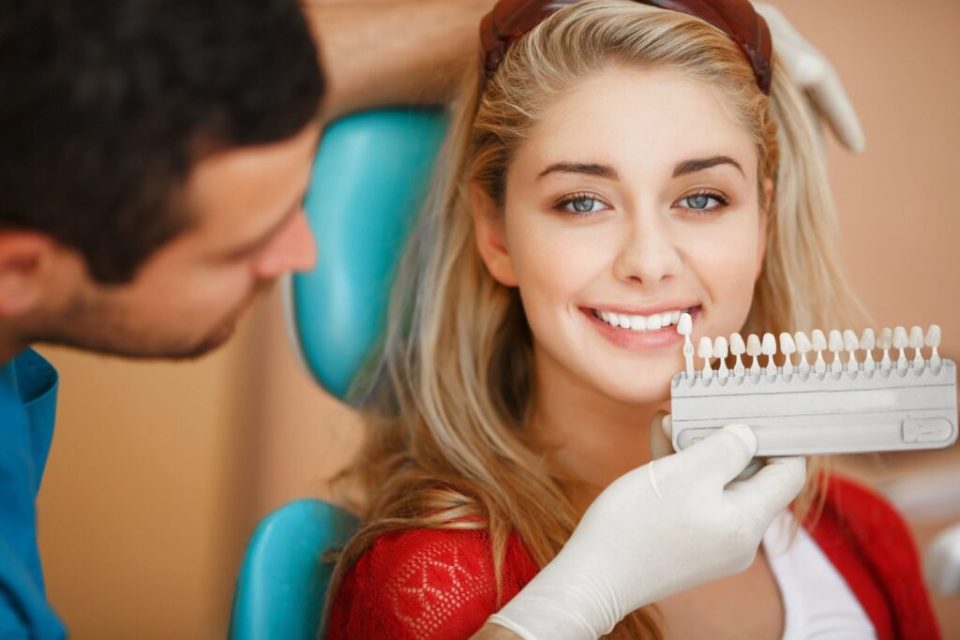
One of the clearest benefits of modern cosmetic dentistry is that the best work is often difficult to detect. Older cosmetic treatments were sometimes associated with overly white veneers, bulky crowns or a uniform appearance that did not match the patient’s age, face shape or natural enamel. Today, dentists and dental technicians have access to digital photography, shade-matching systems and improved ceramic materials that mimic the way real teeth reflect light. This allows treatment to enhance a smile without giving it an artificial finish. For many London patients, that matters more than achieving an exaggerated “perfect” look.
Natural-looking treatment also supports confidence in a more realistic way. People usually want colleagues, friends and family to notice that they look healthier or more refreshed, not to identify a dental procedure from across the room. That is why leading clinicians now place significant emphasis on proportion, gum display, lip support and facial balance rather than focusing on tooth colour alone. Even relatively small treatments, such as edge bonding or careful contouring, can change how the whole smile reads. The most successful cosmetic work is usually the kind that respects what is already there, improving shape and symmetry while keeping character intact.
Conservative Techniques Help Preserve Healthy Tooth Structure
A second major advantage is that modern cosmetic dentistry often protects more of the natural tooth than older approaches did. In the past, some aesthetic treatments involved more aggressive preparation because the materials and bonding systems were less refined. Current techniques can be far more conservative. Composite bonding, clear aligners and carefully planned ceramic restorations may deliver noticeable cosmetic change while removing little or no healthy tooth tissue, depending on the case. This matters because natural enamel is valuable. Once it is removed, it cannot be replaced in its original form, so preserving it remains a central principle of responsible treatment.
For patients, the practical value is straightforward. Conservative care can reduce the likelihood of sensitivity, simplify future maintenance and leave more options open later in life. London dentists increasingly frame cosmetic treatment as part of a longer dental journey rather than a standalone event. A patient in their late twenties or thirties may want improvement now, but they also need work that remains manageable decades from today. When treatment is planned with restraint, the cosmetic benefit does not come at the cost of avoidable biological compromise. That is a significant shift in thinking, and it is one of the reasons modern aesthetics can sit more comfortably within mainstream dental care than they did before.
Better Smile Design Can Improve Function as Well as Appearance
Cosmetic dentistry is often discussed as though it concerns looks alone, but one of its strongest benefits is the overlap with function. Teeth that are chipped, worn, uneven or poorly aligned do not simply affect appearance. They may influence how a person bites, how easily they clean their mouth and how comfortably they use their teeth day to day. A well-planned cosmetic case can therefore improve speech clarity, chewing efficiency and overall comfort while also making the smile more attractive. This is particularly relevant in London, where many adults seek treatment only after years of minor issues gradually begin to affect routine life.
The key point is that aesthetic dentistry works best when it starts with diagnosis rather than decoration. Dentists now tend to assess jaw movement, bite patterns, wear facets, gum health and tooth position before recommending visible changes. Straightening crowded teeth can make hygiene easier. Rebuilding worn edges can improve tooth contact. Replacing an old, poorly matched crown can reduce plaque traps while also improving colour and shape. In this sense, cosmetic care can support oral health rather than sit apart from it. Patients who understand that link are often more satisfied with treatment because the outcome feels useful as well as attractive. That makes the value of cosmetic dentistry broader than many people initially assume.
Digital Planning Makes Treatment More Predictable
Another major benefit is predictability. Modern cosmetic dentistry makes extensive use of digital tools, and that has changed the patient experience substantially. Intraoral scanners, digital smile design, high-resolution imaging and more accurate laboratory workflows allow dentists to plan treatment with much greater detail than traditional impressions and visual estimates alone. That does not mean technology replaces judgement, but it does improve communication. Patients can often see mock-ups, trial shapes or projected tooth movements before committing to treatment. This helps reduce misunderstanding and gives both dentist and patient a clearer shared goal.
Predictability matters in a practical city like London, where patients often want to understand timing, maintenance and likely outcomes before starting. A clearer planning process can help people decide whether they want whitening, bonding, aligners, veneers or a staged combination. It can also reduce the risk of overtreatment, because a dentist is better able to show what a small intervention might achieve before moving to a larger one. For professionals with demanding schedules, digital workflows may also reduce the number of appointments required for some treatments, though suitability varies by case. The wider benefit is confidence: when planning is clearer, the process feels less speculative and the final result is more likely to match expectations.
Cosmetic Dentistry Can Support Confidence Without Looking Performative
Confidence is often treated as a vague or superficial selling point, but in dentistry it can be more concrete than that. People who feel self-conscious about worn, stained, crowded or broken teeth may avoid smiling fully, cover their mouth when speaking or hesitate in work and social settings. Modern cosmetic treatment can change those habits. The benefit is not only visual improvement. It is the removal of a small but persistent source of friction in daily life. For some patients, that can affect presentations, interviews, photographs, dating and ordinary conversation. In a city built around interaction, those effects are not trivial.
Importantly, the current approach to cosmetic dentistry tends to suit a British audience better than the louder, more performative versions often seen online. Many patients are not seeking a dramatic reinvention. They want to look well, tidy and credible. A skilled cosmetic dentist London patients trust will usually understand that brief and work within it, aiming for improvement that feels believable rather than obvious. The best outcomes often come from restraint: whitening that still suits skin tone, bonding that repairs shape without flattening individuality, or alignment that improves harmony without producing an identical smile. That subtlety is a real advantage because it allows people to feel more at ease without feeling as though they are presenting a manufactured version of themselves.
Modern Care Is Increasingly Personalised and Easier to Maintain
The final benefit is personalisation. Cosmetic dentistry is no longer built around a single ideal smile or a limited menu of treatments. Good clinics now assess age, facial features, gum levels, bite, oral hygiene habits, existing restorations and lifestyle before making recommendations. Someone who travels frequently may need a low-maintenance option. Someone with tooth grinding may require protection and material choices that prioritise durability. Another patient may care most about reversibility and prefer a conservative route. This tailored planning tends to produce results that are easier to live with because the treatment fits the person, not the other way round.
Maintenance is a crucial part of that conversation. Modern cosmetic work is not simply about how teeth look on the day treatment ends. It is about how they will age, how they can be cleaned and what future repairs or replacements may involve. That is why reputable dentists increasingly discuss hygiene, review schedules, bite protection and realistic lifespan alongside aesthetics. Patients benefit from this honesty. They can make better decisions when they understand that whitening may need top-ups, bonding may require periodic polishing, and ceramic work still depends on healthy gums and sensible habits. In that respect, today’s cosmetic dentist London market is at its best when it blends aesthetics with preventive thinking. The result is a form of treatment that looks modern not because it is flashy, but because it is measured, personalised and designed to last.
Why These Benefits Matter for Dental Care in London
Taken together, these six benefits show why cosmetic dentistry has become more relevant to mainstream dental care in London. It offers natural results, preserves tooth structure more effectively, supports function, improves predictability, strengthens confidence and adapts to the realities of individual patients. That combination explains why demand has broadened beyond celebrities or image-led professions. Cosmetic treatment is now being chosen by people who simply want their teeth to look healthier, work better and age more gracefully. The best practitioners understand that appearance cannot be separated from diagnosis, maintenance and informed consent.
For patients, the most useful approach is to ask practical questions. What exactly is being improved? How much natural tooth will be altered? What alternatives exist? How long will the result realistically last, and what maintenance will it involve? Those questions usually reveal whether a treatment plan is thoughtful or merely persuasive. Modern cosmetic dentistry can be highly effective, but its real strength lies in careful planning and proportionate care. In that sense, the field has matured. It is no longer just about changing smiles. It is about improving them in a way that respects biology, lifestyle and the long view of oral health.
