
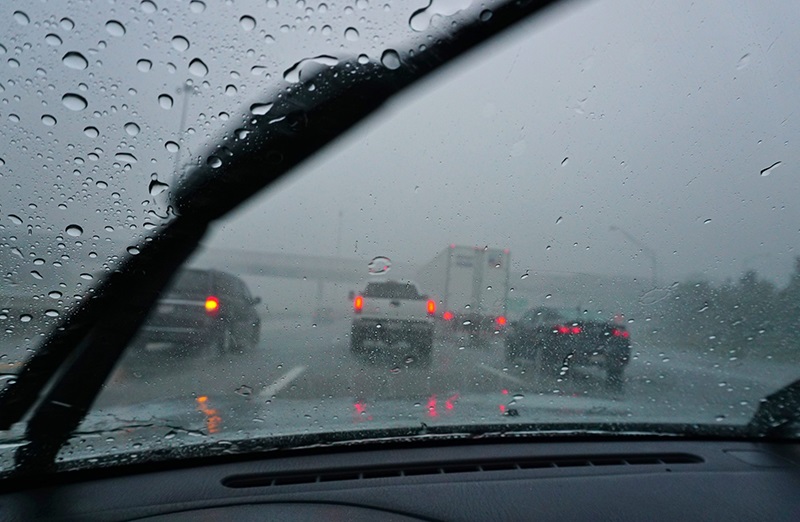
Driving during heavy rain is one of the most challenging situations motorists face. Reduced visibility, slippery roads, and unexpected hazards significantly increase the risk of accidents. Even experienced drivers can struggle when rain becomes intense.
Understanding how to adjust your driving behavior in wet weather can dramatically improve safety for you and others on the road. By preparing your vehicle, slowing down, and using smart driving techniques, you can navigate heavy rainfall conditions with greater confidence.
Why Driving in Heavy Rain Is Dangerous
Heavy rain creates multiple hazards that can quickly lead to dangerous situations.
Some of the most common risks include:
- Reduced visibility: Rain, mist, and spray from other vehicles can make it difficult to see the road ahead.
- Hydroplaning: When tires lose contact with the road due to water buildup.
- Longer braking distance: Wet surfaces reduce tire grip.
- Hidden road hazards: Potholes, debris, or flooded areas may be difficult to see.
Because these risks develop quickly, defensive driving becomes essential during storms.
Prepare Your Vehicle Before Driving in Rain
Vehicle maintenance plays a major role in rainy weather safety. A well-maintained car responds better in slippery conditions.
Key things to check include:
1. Tire Condition
Your tires provide the traction needed on wet roads.
Make sure to:
- Maintain proper tire pressure
- Check tread depth
- Replace worn or damaged tires
Good tread channels water away from the tire, reducing hydroplaning risk.
2. Windshield Wipers
Wipers should clear water effectively without leaving streaks.
Replace them if you notice:
- Skipping across the glass
- Smearing water
- Squeaking noises
3. Lights and Signals
Working lights help other drivers see you clearly during rainstorms.
Ensure these are functioning properly:
- Headlights
- Brake lights
- Turn signals
- Hazard lights
Slow Down and Increase Following Distance
Speed is one of the biggest factors in wet-road accidents. Water reduces friction between the tires and the road surface.
Safe driving tips include:
- Reduce your speed, especially on highways
- Double your normal following distance
- Avoid sudden acceleration or braking
These adjustments give you more time to react to sudden hazards.
Turn On Your Headlights
Rain drastically reduces visibility for everyone on the road.
Turning on headlights helps in two ways:
- It allows you to see the road better
- It makes your vehicle visible to others
Even during daylight rainstorms, headlights significantly improve road safety.
Avoid Hydroplaning
Hydroplaning happens when water builds up between the tire and the road surface. When this occurs, the vehicle temporarily loses traction and steering control.
To reduce hydroplaning risk:
- Drive slower on wet roads
- Avoid puddles and standing water
- Keep tires in good condition
- Avoid sudden steering movements
If hydroplaning happens:
- Stay calm
- Ease off the accelerator
- Steer gently in the direction of the skid
- Avoid slamming the brakes
Your tires will regain traction once the water clears.
Use Smooth Driving Movements
Jerky steering or aggressive braking can cause a loss of control on wet roads.
Practice smooth control:
- Accelerate gradually
- Brake gently
- Steer slowly and steadily
Smooth driving keeps the vehicle balanced and stable.
Watch for Flooded Roads
Heavy rain can cause water accumulation quickly. Even shallow water can create dangerous driving conditions.
Important precautions:
- Never drive through deep water
- Just 12 inches of water can float many vehicles
- Floodwater may hide road damage or debris
If you cannot determine water depth, it is safest to turn around.
Avoid Cruise Control in Rain
Using cruise control during heavy rain can increase hydroplaning risk.
If hydroplaning occurs while cruise control is active, the car may attempt to maintain speed, which can worsen loss of control.
For rainy conditions:
- Drive manually
- Maintain full control over speed and braking
Keep Both Hands on the Wheel
Rain, wind, and water spray from trucks can cause sudden changes in vehicle movement.
Maintaining a firm grip on the steering wheel helps you respond quickly.
Recommended position:
- Hands at 9 and 3 o’clock on the wheel
This provides the best control and reaction time.
Pull Over if Conditions Become Too Dangerous
Sometimes rain becomes so intense that driving safely is nearly impossible.
Warning signs include:
- Extremely poor visibility
- Strong winds
- Severe flooding
In such situations:
- Pull over to a safe location
- Turn on hazard lights
- Wait until conditions improve
Your safety is more important than reaching your destination quickly.
Final Thoughts
Driving safely in heavy rain requires patience, awareness, and preparation. Slowing down, maintaining your vehicle, and adjusting your driving habits can greatly reduce the chances of accidents.
Whenever weather conditions worsen, the safest drivers are those who adapt quickly and prioritize caution over speed.
Frequently Asked Questions (FAQs)
1. What speed should I drive in heavy rain?
There is no universal speed, but drivers should slow down significantly below the speed limit to maintain traction and control on wet roads.
2. Is it safe to use hazard lights while driving in rain?
Hazard lights are generally used when stopped or moving extremely slowly. Constant use while driving normally may confuse other drivers.
3. Why do cars skid more during the first rain?
The first rainfall mixes with oil and dust on the road, creating a slippery surface before the rain washes it away.
4. Should I use high beams in heavy rain?
No. High beams reflect off rain droplets, which can worsen visibility. Low-beam headlights are safer.
5. How can I improve visibility during heavy rain?
Keep your windshield clean, use working wipers, turn on headlights, and ensure your defogger is functioning properly.
6. What should I do if my brakes get wet?
Lightly tap the brakes a few times while driving slowly to help dry them and restore braking performance.
7. Are SUVs safer to drive in heavy rain than small cars?
Not necessarily. Larger vehicles can still hydroplane, especially if driven too fast or with worn tires. Safe driving habits matter more than vehicle size.
