
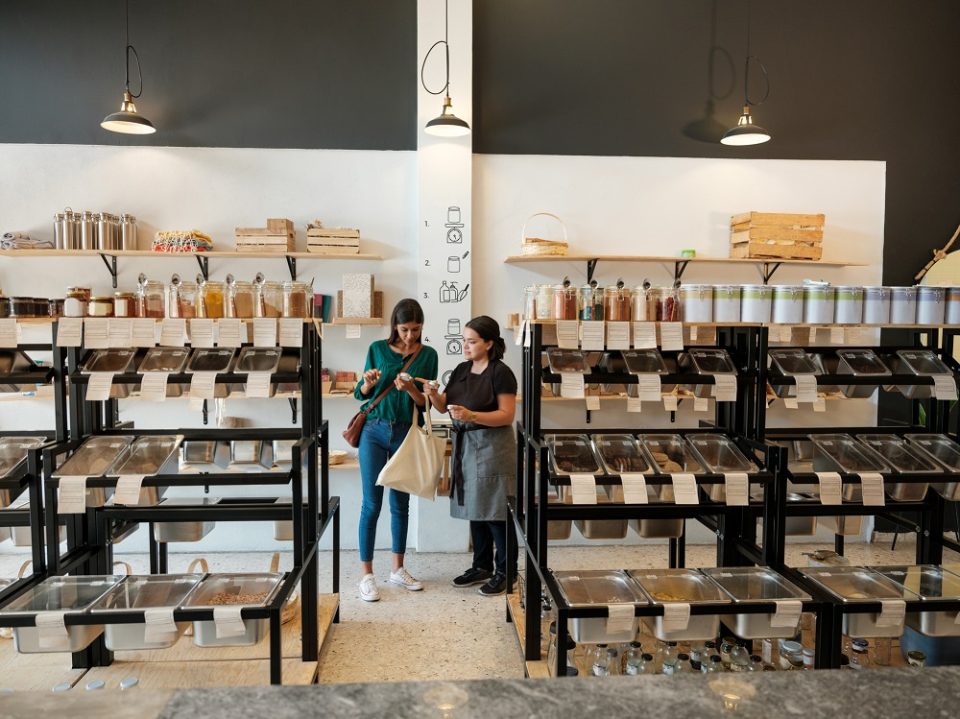
In recent years, sustainable shopping has evolved from a niche lifestyle choice into a global consumer movement. As environmental awareness grows, more people are reconsidering how their purchases affect the planet. From eco-friendly packaging to ethical sourcing, shoppers are increasingly choosing products that align with their environmental and social values.
This shift is influencing industries across the world. Businesses are adapting by redesigning supply chains, offering greener alternatives, and communicating transparency about how products are made. Sustainable shopping is no longer just a trend—it is becoming a defining factor in modern consumer behavior.
What Is Sustainable Shopping?
Sustainable shopping refers to buying products that minimize environmental impact and promote ethical production practices. The goal is to reduce waste, conserve natural resources, and support responsible companies.
Consumers practicing sustainable shopping typically look for products that are:
- Eco-friendly and made from renewable or recycled materials
- Ethically produced, ensuring fair wages and safe working conditions
- Durable and reusable, reducing the need for frequent replacement
- Low-waste or plastic-free, minimizing packaging waste
- Locally sourced, lowering transportation emissions
By making mindful purchasing decisions, individuals contribute to a more sustainable economic system.
Why Sustainable Shopping Is Growing
Several factors have contributed to the rapid rise of sustainable shopping habits worldwide.
1. Increased Environmental Awareness
Climate change, plastic pollution, and resource depletion have become widely discussed issues. Documentaries, scientific research, and media coverage have helped consumers understand the environmental cost of everyday products.
As a result, many shoppers now prioritize products with a smaller environmental footprint.
2. Consumer Demand for Transparency
Today’s consumers expect brands to be open about their manufacturing processes. People want to know:
- Where products come from
- How workers are treated
- Whether materials are responsibly sourced
Companies that provide transparency are more likely to earn consumer trust.
3. Growth of Eco-Friendly Brands
The marketplace has seen a surge of businesses focused entirely on sustainability. These brands prioritize:
- Renewable materials
- Carbon-neutral manufacturing
- Ethical supply chains
Their success has encouraged larger corporations to adopt similar practices.
4. Government Policies and Regulations
Many governments are introducing regulations aimed at reducing waste and emissions. Examples include:
- Plastic bag bans
- Recycling mandates
- Sustainable packaging requirements
Such policies push both businesses and consumers toward more sustainable choices.
Key Sustainable Shopping Practices
Adopting sustainable shopping habits does not require a complete lifestyle overhaul. Small changes can make a meaningful impact.
Choose Reusable Products
Reusable alternatives reduce single-use waste significantly.
Common options include:
- Reusable shopping bags
- Stainless steel water bottles
- Cloth produce bags
- Refillable containers
Support Sustainable Fashion
Fast fashion contributes heavily to pollution and textile waste. Sustainable alternatives include:
- Buying from ethical clothing brands
- Shopping second-hand or vintage
- Choosing durable, high-quality garments
Buy in Bulk
Bulk shopping minimizes packaging waste and often reduces costs. Many eco-friendly stores offer refill stations for everyday items such as grains, cleaning products, and personal care goods.
Prioritize Quality Over Quantity
Sustainable shopping encourages purchasing fewer but better items that last longer. Durable products reduce resource consumption over time.
The Role of Businesses in Sustainable Retail
Businesses play a crucial role in shaping sustainable shopping trends. Companies are adopting practices such as:
- Sustainable sourcing of raw materials
- Eco-friendly packaging made from recycled or biodegradable materials
- Carbon-neutral shipping options
- Circular economy models, including product recycling and take-back programs
Retailers that embrace sustainability not only reduce environmental impact but also attract increasingly conscious consumers.
Challenges in Sustainable Shopping
Despite its growth, sustainable shopping still faces several obstacles.
Higher Initial Costs
Eco-friendly products sometimes carry a higher price due to responsible sourcing and smaller production scales. However, durable products often prove more economical in the long term.
Greenwashing
Some brands exaggerate sustainability claims to appeal to environmentally conscious buyers. Consumers must evaluate certifications and product details carefully.
Limited Availability
In some regions, sustainable products are still less accessible than conventional alternatives. However, increasing demand is gradually improving availability.
The Future of Sustainable Shopping
The future of retail is closely tied to sustainability. Emerging technologies and consumer pressure are pushing industries toward greener solutions.
Trends likely to shape the future include:
- Circular economy systems where products are reused and recycled
- Biodegradable packaging innovations
- Carbon footprint labeling on products
- AI-driven supply chains that reduce waste
As sustainability becomes a core value for consumers, businesses that ignore environmental responsibility may struggle to remain competitive.
Conclusion
Sustainable shopping represents a powerful shift in consumer priorities. By choosing environmentally responsible products, individuals help reduce waste, conserve resources, and promote ethical business practices.
While challenges remain, the growing awareness around sustainability is encouraging both consumers and companies to rethink how products are made, sold, and used. Every conscious purchase contributes to a healthier planet and a more responsible global economy.
Frequently Asked Questions (FAQs)
1. What is the main goal of sustainable shopping?
The main goal is to reduce environmental harm and support ethical production by choosing products that are responsibly sourced, durable, and environmentally friendly.
2. Is sustainable shopping more expensive?
Some eco-friendly products may cost more initially, but they often last longer, which can reduce overall spending over time.
3. How can beginners start sustainable shopping?
Start with simple steps such as using reusable bags, buying durable products, choosing minimal packaging, and supporting ethical brands.
4. What is greenwashing in sustainable shopping?
Greenwashing occurs when companies mislead consumers by falsely claiming their products are environmentally friendly without meaningful sustainable practices.
5. Does sustainable shopping really make a difference?
Yes. Collective consumer choices influence companies to adopt environmentally responsible practices and reduce environmental damage.
6. Are second-hand products considered sustainable?
Yes. Buying second-hand items extends product life cycles and reduces the demand for new resources and manufacturing.
7. What industries are most affected by sustainable shopping trends?
Industries such as fashion, food, beauty, packaging, and retail are experiencing major changes due to increasing demand for sustainable products.
